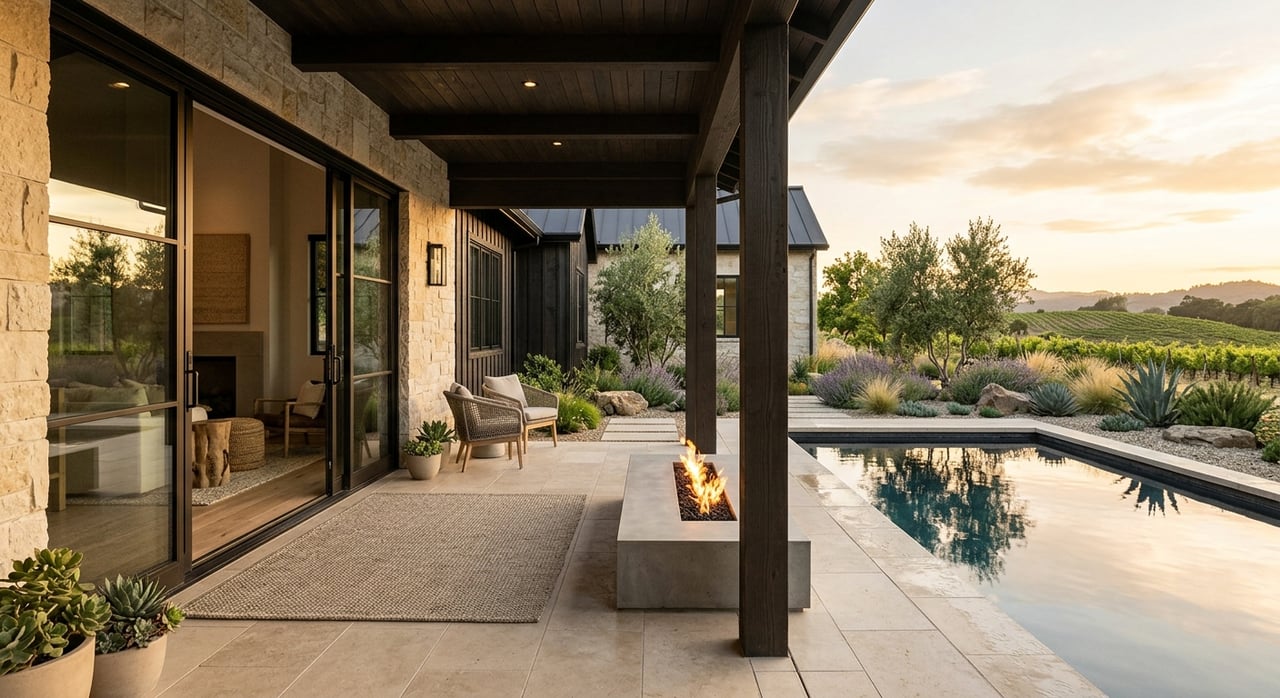
Looking for a place where mornings start with trail walks, afternoons move at a gentler pace, and the setting feels deeply tied to Wine Country? Glen Ellen offers exactly that kind of rhythm. If you are drawn to small-scale village living, natural beauty, and homes that feel rooted in the landscape, this guide will help you understand what makes Glen Ellen so distinctive. Let’s take a closer look.
Glen Ellen is a small village in Sonoma Valley, about six miles northwest of Sonoma and thirteen miles southeast of Santa Rosa, along Sonoma Creek. According to the 2020 census profile, it has 714 residents and 340 people per square mile, which gives it a notably intimate scale.
That smaller footprint shapes the experience of daily life. Rather than a fast, built-up atmosphere, Glen Ellen is defined by a quieter pace, local routines, and close access to open space. For many buyers, that balance is the real appeal.
Glen Ellen sits in the heart of Sonoma County Wine Country, but its character is more village than resort hub. Sonoma County Tourism describes it as a charming and relaxed destination, known for historical sights, botanical gardens, natural hot springs, and picturesque trails.
That combination creates a lifestyle that feels both grounded and refined. You can enjoy the beauty and culture of Wine Country while still feeling connected to a place with a clear local identity.
One of Glen Ellen’s strongest lifestyle draws is how naturally the outdoors fit into your routine. This is the kind of place where a walk, hike, or garden visit can become part of an ordinary weekday rather than a special excursion.
Sonoma Valley Regional Park sits adjacent to Glen Ellen and is open from 7 a.m. to sunset. The park includes oak woodlands and the 1.2-mile paved Valley of the Moon Trail, making it an easy option for a morning outing or an afternoon reset.
For a larger landscape, Jack London State Historic Park adds depth to the Glen Ellen experience. The park spans 1,400 acres and offers more than 26 miles of trails, with daily hours from 9 a.m. to 5 p.m.
The connection to Jack London also adds a meaningful layer of place. Sonoma County history materials note that he first visited Glen Ellen in 1903 and made his home there in 1906, a legacy that still shapes how many people think about the village today.
If you prefer a quieter outing, Sonoma Botanical Garden offers another kind of outdoor rhythm. Open daily from 10 a.m. to 5 p.m., the garden features Asian and California native plants, self-guided walks, picnic settings, and views over the valley.
This kind of access matters when you are choosing where to live. In Glen Ellen, nature is not just nearby. It is woven into everyday life.
Glen Ellen’s lifestyle is not about constant activity. It is about ease, quality, and a routine that feels manageable and well-paced.
The Glen Ellen Village Market, located at 13751 Arnold Drive, plays a central role in that everyday convenience. It is open daily from 6:00 a.m. to 8:30 p.m. and offers online shopping, Instacart, sandwiches, catering, and weekly ads.
That may sound like a small detail, but it says a lot about how the village works. In a place with this scale, a well-used market becomes part of the rhythm of life, not just a stop for last-minute errands.
The dining scene is compact but established. The Fig Café has served Glen Ellen since 1992 and is known for locally sourced ingredients and rustic charm, while Glen Ellen Star offers nightly dinner service on Arnold Drive.
Sonoma County Tourism describes local dining as laid-back, farm-to-table, and often friendly to outdoor seating. That tone fits the village well. Meals here tend to feel unhurried, which is part of the appeal.
Glen Ellen also places you close to a respected group of local wineries, including Benziger Family Winery, Hamel Family Wines, Imagery Estate, and Eric Ross Winery, as highlighted by Sonoma County Tourism. For buyers seeking a Wine Country home base or retreat, that proximity adds another layer of lifestyle value.
There is also a practical, grounded side to it. Oak Hill Farm appears in Sonoma County Tourism’s Glen Ellen itinerary as a place to pick up fresh fruit, preserves, and picnic items, reinforcing the blend of rural errands and leisurely afternoons.
Glen Ellen’s housing story is not defined by one single property type. Instead, the area supports a mix that can include rustic retreats, polished estate homes, and vineyard-adjacent properties.
That variety makes sense when you look at the village’s history and planning framework. County history notes that Glen Ellen once included private homes converted into informal summer resorts, along with small purpose-built hotels and resort properties. That helps explain why the area can feel both residential and retreat-like at the same time.
A major part of Glen Ellen’s appeal is that its character has been intentionally protected. Sonoma County adopted the Glen Ellen Development and Design Guidelines in 1990, covering the area on both sides of Arnold Drive and both sides of Warm Springs Road.
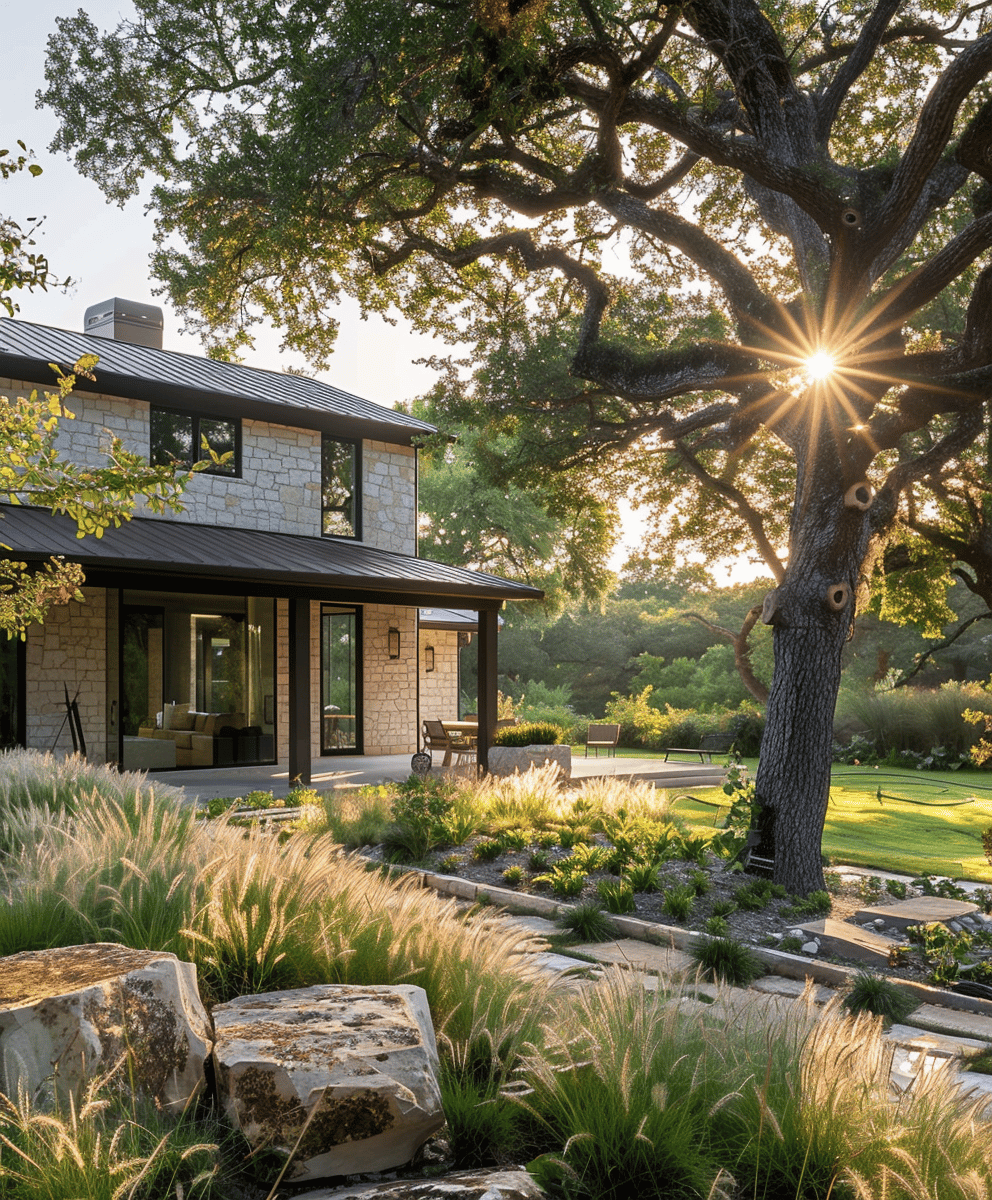
The county states that these guidelines are meant to preserve Glen Ellen’s historic, intimate, and cared-for character. The published guide favors simple hip and gable roofs, natural materials like wood and stone, traditional-scale windows and doors, and craftsmanship that fits the village setting.
It also discourages elements that would feel out of place, such as flat roofs and shiny aluminum framing. For buyers who value authenticity and design continuity, that kind of guidance can be especially meaningful.
For many people, this is one of the first real questions. The answer is that Glen Ellen can work as either a full-time home base or a retreat, depending on what you want from Wine Country living.
The 2020 census profile reported 408 housing units, with 316 occupied units and 92 vacant units. The census does not specify why homes are vacant, but the figures do suggest that Glen Ellen includes a meaningful retreat or seasonal component alongside its permanent residential base.
That flexibility is part of what makes the area appealing. Some buyers want a peaceful primary residence with direct access to nature and village conveniences, while others are looking for a second home that feels restorative and distinctly Wine Country.
In practical terms, life in Glen Ellen is likely to revolve around a small set of high-quality routines. Think trail walks, garden visits, market stops, and dinner reservations rather than a packed urban calendar.
That picture is supported by the local park network, the botanical garden, the village market’s long hours, and the small but established dining scene. If your ideal lifestyle includes beauty, breathing room, and a connection to the landscape, Glen Ellen delivers a compelling version of that experience.
For buyers seeking a more serene expression of Wine Country, Glen Ellen stands out for its scale, setting, and sense of continuity. It offers a lifestyle that feels curated by nature and history rather than by trend.
The village does not rely on a single headline feature. Its appeal comes from how well the parts fit together: preserved character, outdoor access, a practical daily routine, and homes that often feel connected to the land. That is what gives Glen Ellen its quiet staying power.
If you are exploring Glen Ellen as a primary residence, weekend retreat, or legacy property in Sonoma Valley, working with an advisor who understands the nuance of Wine Country real estate can make all the difference. To start a confidential conversation, connect with Ginger Martin.
1229 Adams St. St. Helena CA 94574
1229 Adams St. St. Helena CA 94574