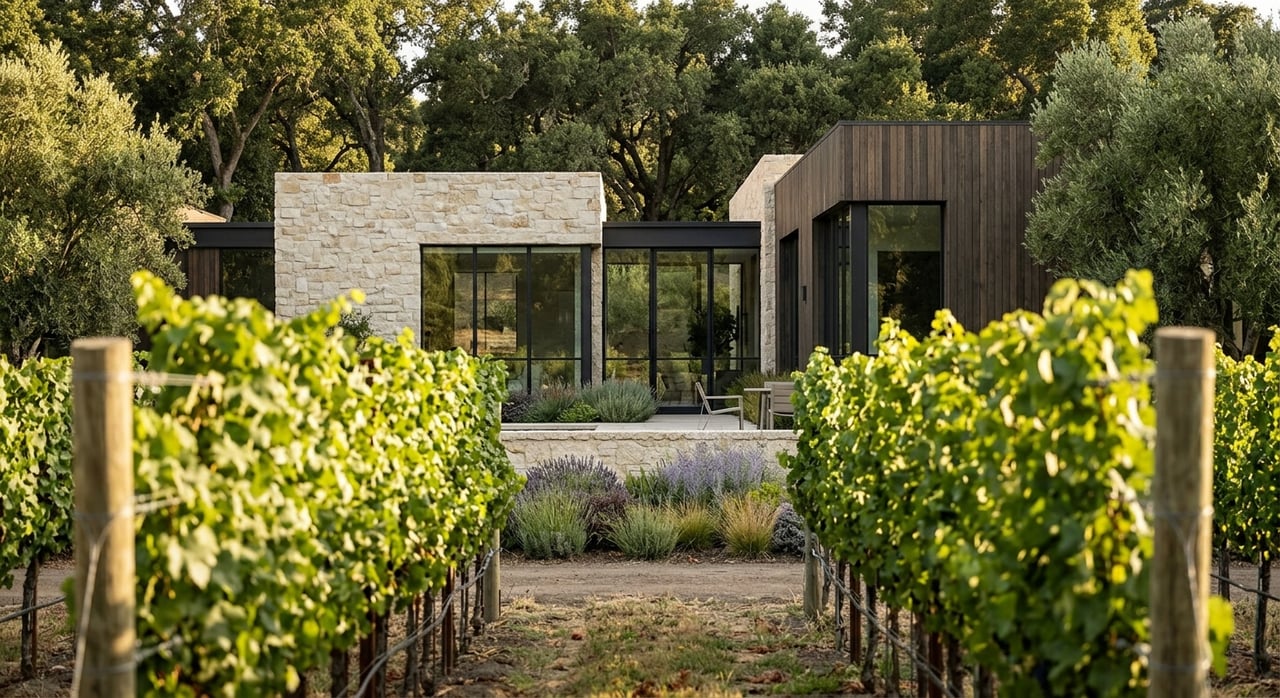
If you are thinking about selling a vineyard or estate in Kenwood, you already know this is not a standard home sale. Buyers here are often weighing vineyard potential, water and land use details, and the overall estate experience all at once. When you understand what makes Kenwood different, you can prepare your property more strategically, present it more clearly, and attract the right audience from the start. Let’s dive in.
Kenwood sits within one of Sonoma County’s most layered wine regions. Sonoma County includes 19 American Viticultural Areas, with the broader Sonoma Valley AVA and mountain sub-appellations such as Moon Mountain District and Sonoma Mountain shaping how buyers think about site, elevation, slope, and vineyard character.
That matters because a buyer is often not just evaluating your residence. They may also be studying how the land performs, how the vineyard is positioned, and how the property fits within a recognized wine-growing landscape.
Sonoma County is also deeply agricultural in identity. According to Sonoma County Winegrowers, about 6% of the county’s 1 million acres are planted to winegrapes, about 99% of vineyard acres are certified sustainable, and roughly 1,800 winegrowers operate in the county.
For you as a seller, that means your property may be judged through both a luxury lens and an agricultural one. Privacy, architecture, and lifestyle matter, but so do sustainability expectations, vineyard utility, and operational clarity.
The audience for a Kenwood vineyard or estate is often narrower than the audience for a typical luxury home. Recent wine business research points to softer demand driven by inflation, demographic shifts, and slower travel and direct-to-consumer wine demand.
At the same time, Sonoma County values have been described as mostly stable in earlier North Coast valuation research, with active interest from established wineries, larger wine groups, institutional investors, and private equity. Lifestyle buyers have generally been less active than they were during the pandemic period.
This creates an important takeaway for sellers. Your marketing should not try to appeal to everyone. It should speak directly to the buyers most likely to understand the value of your land, improvements, and long-term potential.
A Kenwood property with vines is usually valued differently from a luxury residence without agricultural use. California property-tax appraisal guidance notes that the cost approach can be especially useful for developing vineyards, while mature vineyards are often better analyzed through an income approach.
In simple terms, buyers and appraisers may look at several layers of value. They may separate the land itself, the vines, and the contributory value of improvements such as irrigation systems or other infrastructure.
The same California guidance highlights several factors that commonly influence vineyard value:
For an estate seller, this means the story of your property should be supported by documentation, not just beautiful photography. A compelling presentation starts with facts that help a buyer understand how the asset functions.
Before your property goes to market, it helps to organize a complete due-diligence package. This is one of the clearest ways to make a complex property easier for serious buyers to evaluate.
Based on the appraisal factors identified by California property-tax guidance, sellers should be ready to compile records such as:
Sonoma County assessment guidance also shows why infrastructure records matter. Wells can affect income analysis, and vineyard trellising, wire, and stakes may be treated differently depending on classification.
That is important because buyers, appraisers, and advisors may not see the property as one simple package. The clearer your records, the easier it is to support value and reduce uncertainty.
In unincorporated Sonoma County, county code requires disclosure of Chapter 11 vineyard and orchard site-development rules when certain agricultural or rural zoning designations are transferred. In practical terms, you should confirm zoning details and any replanting status before the property is marketed.
If those questions surface after a buyer has already engaged, they can slow negotiations or weaken confidence. Early verification gives you a cleaner process and helps your representation team position the property more precisely.
This is especially important for vineyard land, where future use and operational flexibility may matter as much as current production. A buyer wants clarity on what exists today and what may be possible tomorrow.
Some Kenwood-area properties may be subject to a Williamson Act contract or another agricultural-preserve structure. California law allows counties to enter into contracts with landowners to keep agricultural land in agricultural use, with related property-tax treatment.
If your parcel is under this type of restriction, it can affect how buyers view use options, holding strategy, and long-term planning. It should be reviewed early, not discovered late in escrow.
The same is true for conservation easements, open-space easements, or similar recorded restrictions. These can influence development rights, building envelopes, and overall buyer appeal.
Water is always important in vineyard sales, and it is especially important around Kenwood. The State Water Board notes that Sonoma Creek originates northeast of Kenwood, and vineyard properties in the Sonoma Creek watershed may be affected by regulatory requirements.
The San Francisco Bay Regional Water Board has a vineyard general permit for parcels in the Napa River and Sonoma Creek watersheds that contain a vineyard of 5 acres or more. If your property falls within that framework, buyers will likely want clear information about compliance status.
Water-right ownership changes must also be reported to the State Water Board within 30 days, and some diversions require annual reporting. For a seller, this means water records should be reviewed and organized before launch, not after questions begin.
Wildfire readiness is another major part of pre-sale preparation in this part of Sonoma County. CAL FIRE advises homeowners to maintain 100 feet of defensible space and harden structures against embers.
California natural-hazard disclosure rules also require sellers to disclose when a home is located in a high or very high fire hazard severity zone. CAL FIRE further states that sellers in those zones need documentation of a compliant defensible-space inspection.
For a Kenwood estate, this is more than a checklist item. It can influence buyer comfort, insurance conversations, and the overall impression of how well the property has been stewarded.
One of the biggest mistakes in this segment is presenting the property only as a beautiful home. A Kenwood vineyard or estate often needs to be marketed as both a lifestyle offering and a functioning land asset.
That means your presentation should highlight the residential experience, but it should also explain terroir, vineyard readiness, water systems, fire-preparedness, and improvement quality. A sophisticated buyer may care deeply about design pedigree and privacy, but they also want confidence in the asset behind the views.
This is where narrative matters. The strongest campaigns tend to frame the property in a way that honors its provenance while also making the operating facts easy to understand.
Complex properties often benefit from a more tailored process than a standard residential listing. When a property includes vineyard components, larger acreage, or layered land-use considerations, presentation and buyer targeting become more specialized.
A well-prepared strategy can help you do three important things:
In Kenwood, that often means creating a marketing package that feels polished and editorial on the surface while also being rigorous underneath. The goal is not just broad exposure. The goal is to reach the right buyer with the right information.
Selling a vineyard or estate in Kenwood calls for more than listing photography and a standard set of disclosures. You need a clear understanding of what drives value, what documentation buyers expect, and how local land, water, and fire-related considerations may shape the transaction.
When your property is prepared thoughtfully, it becomes easier for buyers to see both the lifestyle and the underlying quality of the asset. That can lead to stronger positioning, more confident negotiations, and a smoother path to closing.
If you are considering the sale of a Kenwood vineyard or estate and want a discreet, highly tailored strategy, Ginger Martin offers founder-led guidance for complex Wine Country properties where provenance, privacy, and precision matter.

1229 Adams St. St. Helena CA 94574
1229 Adams St. St. Helena CA 94574